
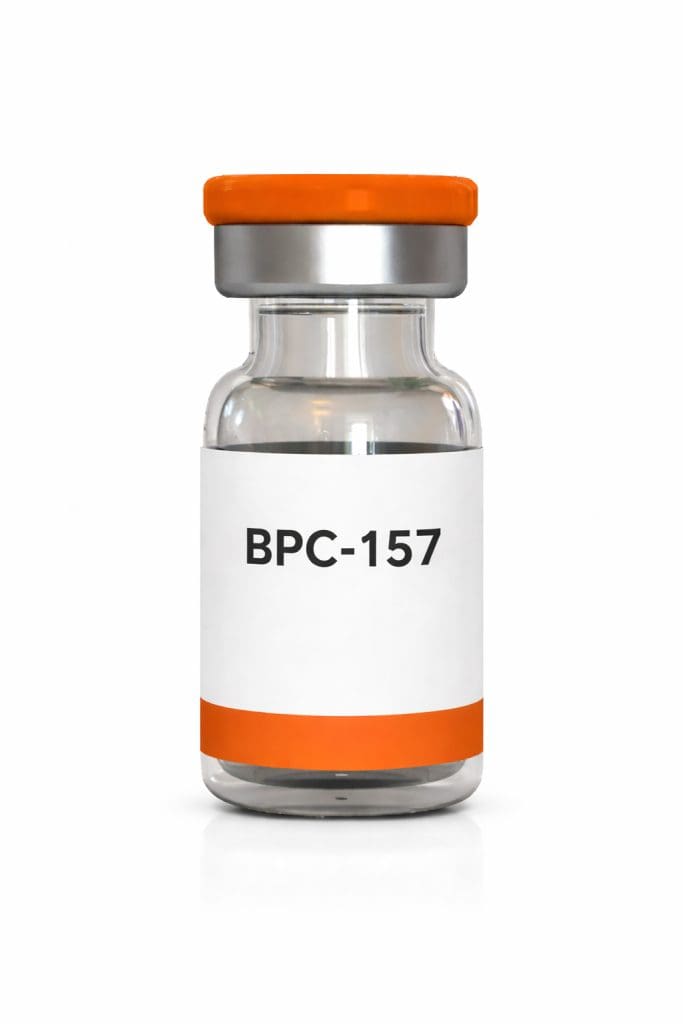
BPC-157 Injection Peptides Support Plan

This treatment plan outlines the dosage, administration, expected benefits, and potential side effects of BPC-157 (Body Protection Compound-157). Please read this plan carefully, along with the information provided with your medication, for complete details regarding precautions, handling, and other important safety information.

BPC-157 therapy is considered investigational and is typically used as part of a broader recovery or regenerative support plan.

For regenerative support, you have been prescribed:

BPC-157

Dosing:

  • Inject 200 mcg daily
  • 25 doses total (25-day course)

General guidance:

  • Administer via subcutaneous injection (under the skin) unless otherwise directed
  • Use a new sterile needle and syringe for each injection
  • Rotate injection sites (commonly abdomen or near the affected area, if directed)
  • Use the exact prescribed dose and schedule
  • Do not exceed the recommended dose
  • Store medication as directed (commonly refrigerated after reconstitution)
  • Do not use if the solution appears cloudy or contains particles

BPC-157 works gradually and does not produce immediate symptomatic effects. Response varies depending on individual factors and treatment goals.

  • Use only as prescribed. Do not increase your dose or frequency without provider guidance.
  • BPC-157 is considered investigational and is not FDA-approved for the treatment of specific medical conditions.
  • Possible side effects may include mild injection site irritation, redness, or discomfort.
  • Because large-scale human studies are limited, long-term safety is not fully established.
  • If you experience unusual or persistent symptoms, discontinue use and contact your provider.
  • Do not use this medication if it has been improperly stored or appears compromised.
  • Do not share this medication or use it outside of medical supervision.

PREPARE:

  • Your vial of medication
  • One sterile syringe with a needle
  • Alcohol wipes or alcohol and a swab
  • A sharps container or a heavy-duty plastic container with a screw on lid

FILLING YOUR SYRINGE:

  • Double check the information on the vial including your dose, and expiration date.
  • If it’s a new vial, remove the plastic cap. Clean the top of the vial with an alcohol wipe.
  • On the syringe, remove the caps from the plunger and needle. It’s important that you keep the needle sterile so don’t let anything touch the needle.
  • While holding the syringe with the needle pointed up, pull the plunger down to the correct dosage based on your prescription from your provider.
  • Insert the needle into the rubber part of the vial top and press fully down on the plunger to inject all of the air from the syringe into the vial. Injecting the air into the medical vial makes the next step easier!
  • While the needle is still in the vial, turn the vial upside down. Make sure your needle is surrounded by liquid. Pull back the plunger just past your dosage amount.
  • Use the remaining amount to remove any air bubbles by tapping the syringe with your finger.
  • Push the plunger to the prescribed dose level after removing the air bubbles
  • Turn the vial upright and remove the needle
  • Do NOT put the needle cap back on the needle

ADMINISTERING YOUR INJECTION:

  • Choose an injection site. Good areas include your stomach, upper arm, or thigh. You can use the same area each week, but don’t inject at the same site each week. Your injection site should be 1-2 inches away from the previous injection site used.
  • Clean your prepared injection site with alcohol.
  • Push the plunger slightly until a drop of liquid forms at the end of the needle.
  • Pinch and hold the site you will inject. Holding the syringe pointing directly at the pinched skin, quickly push the needle through the skin into the fat tissue, making sure to insert the entire length of the needle. Then, slowly push the plunger to inject all of the medication.

This medication contains the following active ingredient. Do not use if you are allergic to this ingredient or any components provided with the medication.

  • BPC-157

Allergic reactions are uncommon but possible.

Stop this medication and seek medical care if you experience:

  • Rash or hives
  • Swelling of the face, lips, or throat
  • Difficulty breathing
  • Severe injection site reaction

We evaluate your health history based on the information you provide. If any of the following apply or develop during treatment, discontinue use and seek in-person evaluation:

  • Known hypersensitivity to peptide therapies
  • Active infection at injection site
  • Unexplained systemic symptoms
  • Pregnancy or breastfeeding (safety not established)
  • Significant underlying medical conditions without provider clearance

We evaluate the specific health information you provide and make our recommendations based on it. If you incorrectly provide that information, we may misdiagnose or fail to diagnose conditions that you may have which could affect our recommendation for treatment.

We recommend this treatment because the potential benefits of treatment outweigh the risks. You should evaluate this information as well as the manufacturer’s pamphlet, and any input from your in-person healthcare team, or other information to decide if this treatment plan is appropriate for you. You are free to decline our treatment recommendations although, doing so may prolong symptoms and be associated with negative outcomes.

We have based our recommendation on your specific case and medical guidelines, but there may be alternative treatments or strategies that may be helpful to you. Some may be more or less effective than what we provide. Some treatments may require an in-person exam or procedure which we can’t provide.

You can access your records anytime. We strongly recommend that you update your in-person doctor, pharmacist, and the rest of your healthcare team to let them know about any new medicines you are taking or other changes in your health.