
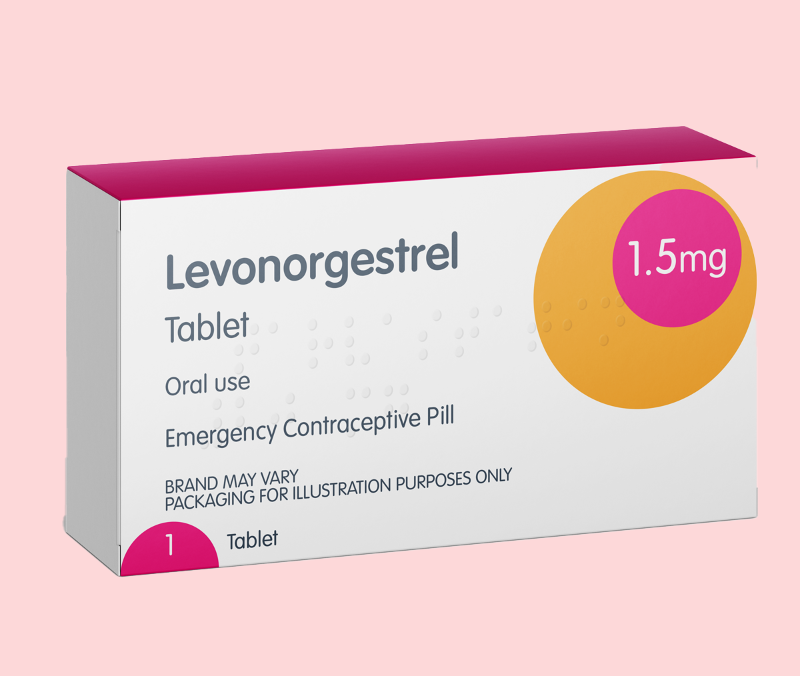
Plan B, commonly referred to as the “morning-after pill,” is a medication used to prevent pregnancy following unprotected intercourse. It primarily contains levonorgestrel, a synthetic hormone that functions by inhibiting ovulation, altering the uterine lining, and possibly preventing fertilization.
For optimal efficacy, it is imperative that Plan B is administered at the earliest opportunity, ideally within 24 hours, but it remains effective if taken within a 72-hour (3-day) window post-contraceptive failure.
Levonorgestrel is marketed under various brand names, with Plan B being among the most widely recognized.
This emergency contraceptive offers a critical safety measure in the event of unprotected sex, ensuring an additional layer of protection against unintended pregnancy.