
This document provides a thorough understanding of the proposed treatment for Urinary Tract Infections (UTIs). Before commencing, ensure you’ve read the manufacturer’s guidelines for a complete overview of potential interactions, side effects, and other crucial details.
UTI Treatment Plan: Cephalexin 500mg (Keflex)
Overview
Treatment Objective:
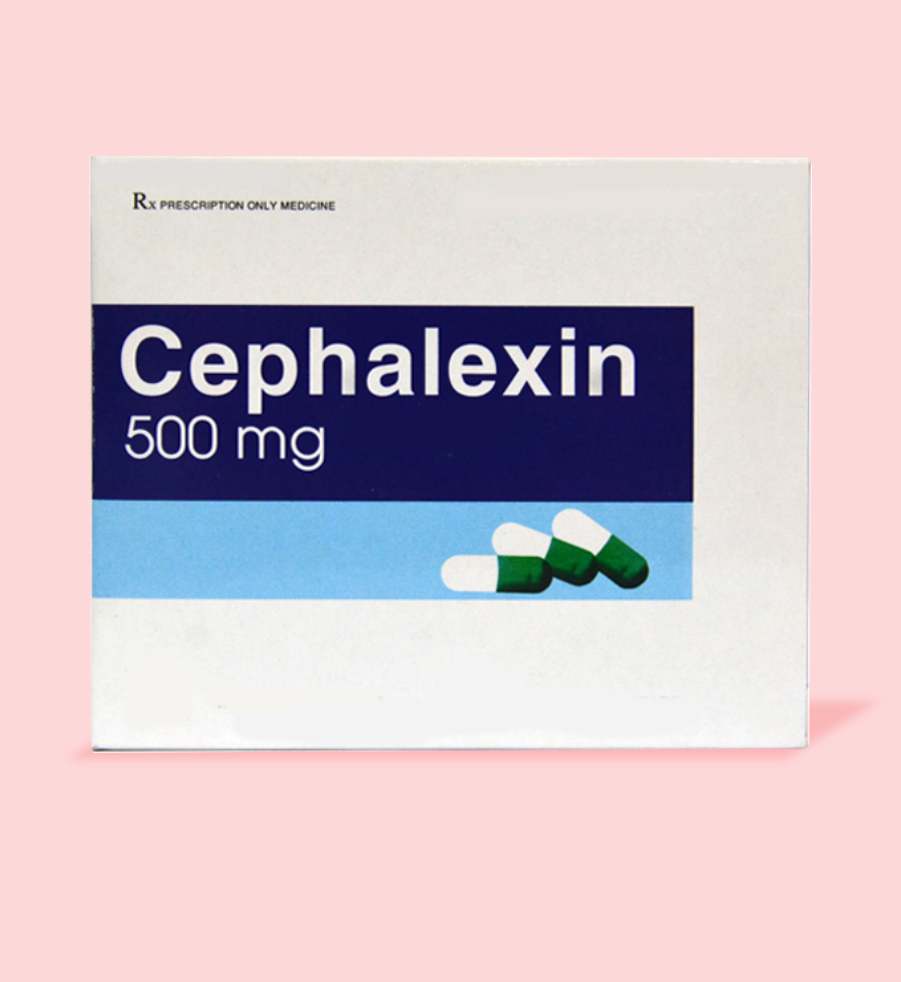
You’ve indicated a preference for medication to alleviate UTI symptoms. We recommend Cephalexin. Administer one 500mg capsule every 12 hours for 7 days (14 capsules total).
This drug’s primary function is to combat bacteria in the urinary bladder, predominantly caused by E. coli.
Important Notes Regarding Your Treatment:
- Avoid consuming alcohol for at least 72 hours after completing your treatment. Drinking alcohol while on antibiotics can increase the risk of side effects, interfere with the medication’s effectiveness, and delay recovery.
- Please refrain from breastfeeding during your treatment and for 48 hours following its completion, regardless of your current breastfeeding status.
Recognizing UTI Symptoms:
- Burning during urination
- Unpleasant urine odor without vaginal discharge or itching
- Lower abdominal discomfort or tenderness
- Increased urination frequency
- Sensation of incomplete bladder emptying
- Pink or red hue in urine (Note: Actual bleeding requires immediate medical intervention)
Immediate Medical Attention:
If symptoms persist or worsen, such as the onset of fever, chills, nausea, vomiting, or pain in the mid to upper back region, seek medical assistance promptly.
Primary Ingredient:
- Cephalexin
Allergic Reactions:
This medication might induce allergic reactions in individuals sensitive to similar drugs or ingredients. If allergic reactions occur, cease usage and contact your healthcare provider or us.
Ensuring Full Recovery:
After you’ve finished your antibiotics course, we recommend using a UTI diagnostic test to confirm the infection is fully cleared. For your convenience, you can access a UTI test with a 10% discount already applied through this link. Confirming your recovery is crucial for your health and well-being.
Health Conditions to Monitor:
If any of the following conditions apply to you, halt the medication and notify us immediately:
- Pregnancy or breastfeeding
- Central nervous system disorders
- Liver or kidney complications
- Diminished urine output
- Anemia or diabetes
- G6PD deficiency
- Fever exceeding 100.4 F
Pregnancy & Breastfeeding Advisory:
Early breastfeeding mothers should exercise caution. Pregnant women with UTIs are deemed high-risk and should consult a healthcare professional.
Emergency Side Effects:
Seek immediate medical intervention if you encounter any of the following:
- Excessive bleeding or bruising
- Swelling of the throat or difficulty swallowing
- Skin yellowing Respiratory challenges
- Severe skin reactions or rashes
- Profound fatigue or weakness
- Heart irregularities or chest discomfort
- Vision impairments or balance issues
- Bloody diarrhea or severe abdominal pain
- Mental disturbances or psychosis
Other Potential Side Effects:
- Gas or flatulence
- Diminished appetite
- Mood swings or depression
- Dizziness or fainting spells
- Nausea or vomiting
- Fever or hair thinning
- Itching or muscle discomfort
- Headaches
Medications & Supplements to Monitor:
If you’re taking or plan to take any of the following, consult us before proceeding with the medication:
- HIV treatments
- Hormonal contraceptives
- Narcotic pain relievers
- Anesthetics
- Immunosuppressants
- Nitrates
Accuracy of Information:
Our recommendations derive from the health data you’ve provided. Ensure its accuracy for optimal care.
Treatment Efficacy:
This treatment might not guarantee complete effectiveness. If it’s ineffective or if symptoms exacerbate, reach out to us. In emergencies, dial 911 or consult a doctor.
Potential Misdiagnosis:
Misdiagnosis risks exist. We adhere to evidence-based practices to minimize these risks. Other conditions to consider include STIs, yeast infections, BV, and kidney infections.
Decision Making:
We believe this treatment is beneficial for you. However, assess this information, the manufacturer’s guidelines, and consult your healthcare team before deciding. You have the autonomy to decline our recommendation.
Alternative Treatment Options:
There might be other treatments suitable for you. Some might necessitate in-person consultations. Discuss alternatives with your healthcare provider or contact us.
Informing Your Healthcare Team:
Always keep your healthcare team informed about new medications or health changes. Access your records anytime and share them with your team. We’re available for any queries or assistance.