
This treatment plan outlines the application, dosage, and potential side effects of Fluconazole for treating yeast infections. Ensure you read this plan thoroughly, along with the manufacturer’s pamphlet accompanying the medicine for comprehensive information on interactions, side effects, and other vital details.
Yeast Infection Treatment Plan (Fluconazole)
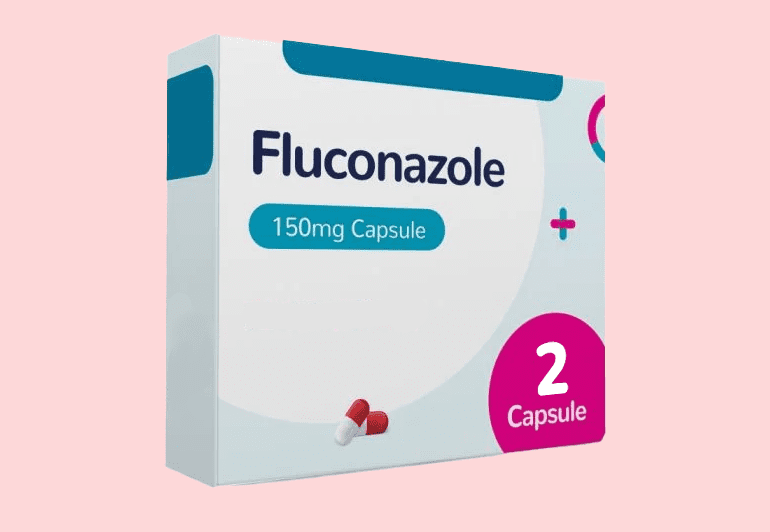
Overview:
Instructions for Dosage:
Take a single 150 mg dose of Fluconazole. If your symptoms do not improve after 72 hours, take a second 150 mg dose of Fluconazole.
NOTE: If you are taking medication for Bacterial Vaginosis (BV) as-well, please take your second dose of Fluconazole 24 hours after completing the BV treatment.
Symptoms of Yeast Infection:
- Vaginal itching (possibly internal) with or without thick white discharge.
- Itching primarily near the labia opening, not in the external pubic hair area.
- Burning sensation during urination due to irritated skin.
- Possible presence of tiny blood traces in underwear from severe scratching.
- Yeast infections typically do not result in vaginal odor, fever, or abdominal pain.
Refill Information:
Please contact us if you believe you contracted a yeast infection, and the symptoms have not dissipated within 2 days.
Active Ingredient:
Fluconazole
Allergies:
Discontinue use and see a doctor if you’re allergic to azole antifungal medications.
Conditions:
If any of the following conditions apply, stop the medication and see a doctor:
- Pregnancy (Note: Safe during breastfeeding)
- Central nervous system issues
- Liver, kidney, or heart problems
Emergency Side Effects:
If you experience any of the following, stop the medication and seek immediate medical attention:
- Easy bruising/bleeding
- Arrhythmias
- Seizures
- Throat swelling or difficulty swallowing
- Breathing difficulties
- Severe skin rash/changes
- Extreme fatigue
- Heart palpitations/chest pain
- Jaundice/liver failure
Other Side Effects:
If any of the following occur, stop the medication and see a doctor:
- Lightheadedness/Dizziness
- Headaches
- Nausea/vomiting
- Taste alterations
- Diarrhea
- Brief liver function test elevations
Note: This medication doesn’t cause bacterial vaginosis infections.
Accuracy of Information:
Our recommendations derive from the health data you’ve provided. Ensure its accuracy for optimal care.
Treatment Efficacy:
This treatment might not guarantee complete effectiveness. If it’s ineffective or if symptoms exacerbate, reach out to us. In emergencies, dial 911 or consult a doctor.
Potential Misdiagnosis:
Misdiagnosis risks exist. We adhere to evidence-based practices to minimize these risks. Other conditions to consider include STIs, BV, kidney infections, kidney stones, and overactive bladder.
Making a Decision:
We believe this treatment is beneficial for you. However, assess this information, the manufacturer’s guidelines, and consult your healthcare team before deciding. You have the autonomy to decline our recommendation.
Alternative Approaches:
There might be other treatments suitable for you. Some might necessitate in-person consultations. Discuss alternatives with your healthcare provider or contact us.
Informing Your Healthcare Team:
Always keep your healthcare team informed about new medications or health changes. Access your records anytime and share them with your team. We’re here to assist with any queries.